


Stay up to date with the latest industry insights
Sign up for blog updates


Equipment theft is an everyday risk on construction sites. From skid steers and mini excavators to power tools and electronics, valuable assets are often left exposed in yards or active work areas. When equipment goes missing, the impact is felt immediately: crews are delayed, schedules disrupted and replacement costs add up quickly.
The scope of the issue is significant. Legacy statistics from the National Equipment Register (NER) estimate that construction equipment and tool theft costs up to $1 billion each year.₁ Today, it’s likely significantly more. Even more concerning, only 25% of stolen construction equipment is ever recovered—leaving contractors to absorb the loss and navigate potential insurance impacts.₂
Prevention is the most effective strategy. With a clear plan, consistent execution and team-wide accountability, most losses can be avoided. Here’s what contractors should consider when strengthening their equipment theft prevention programs.
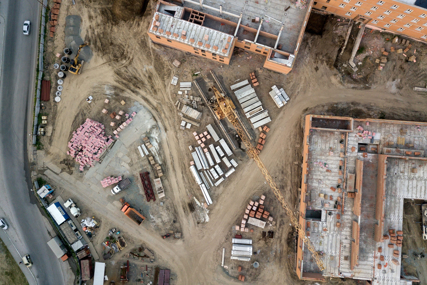
6 best practices to prevent equipment theft
1. Implement a strong equipment inventory
A detailed inventory is one of the most effective methods to deter theft. Every piece of equipment should be clearly marked with company logos, asset tags or engraving. Visibly branded equipment is a much harder sell, making it far less attractive to thieves.
Inventory records should include comprehensive details, including serial numbers, descriptions and up-to-date photos. These records should be reviewed regularly. Inventory systems are most effective when actively maintained and trusted by workers.
Contractors can also register equipment with the National Equipment Register. This step helps law enforcement identify and recover equipment in the event of theft.
2. Always track where equipment is assigned
Equipment inventory begins with an equipment tracking system. Construction teams juggle many assets across multiple job sites. Without clear tracking procedures, equipment can easily disappear.
Establish clear procedures for assigning equipment to job sites and documenting transfers. Simple questions—such as “What equipment should be here?” or “Who is the last team that used it?”—are easier to answer when tracking is reliably updated.
Accountability matters, too. When crews understand tracking procedures and know how equipment movement is monitored, unauthorized use or theft becomes less likely.
3. Tailor security measures to each unique jobsite
No two sites face the same risks. Security approaches should be customized to reflect the size, location and exposure of each job site. Controlled sites might benefit from gated access, fencing or on-site security personnel, while open or temporary sites require a different strategy.
For smaller or shorter-term sites:
For larger yards or long-term sites:
Deploy mobile surveillance trailers with cameras
4. Park equipment strategically
Where—and how—your equipment is parked matters. Store all machinery in a well-lit, visible area whenever possible. Arrange larger equipment in interlocking patterns so that moving one item requires repositioning several others.
Locking cabs and removing the keys is not enough, especially for thieves familiar with construction equipment and how easily these measures can be bypassed.
5. Get to know your neighbors
Many thefts occur in plain sight, with bad actors posing as legitimate contractors. Introduce your operation to neighboring businesses or property owners, letting them know what your typical job-site activity looks like.
When neighbors understand your work schedule, they’re more likely to question suspicious behavior and alert you or local authorities before equipment disappears.
6. Secure smaller tools overnight
While no solution is foolproof, locking tools and materials in shipping containers is an effective way to protect them overnight. This can significantly reduce casual theft and centralize valuable assets in a single controlled location.
Equipment protection isn’t a one-and-done task. When contractors treat theft prevention as part of the daily job, they protect their equipment, their schedules and their bottom line.
ASK A LOSS CONTROL REPRESENTATIVE
Have a question on how to mitigate risk? Email losscontroldirect@iatinsurance.com for a chance to see your question answered in a future blog.
[1] “2016 Equipment Theft Report,” National Equipment Register (NER), 2016
[2] “Commercial Heavy Equipment Theft,” National Insurance Crime Bureau, 2017


