


Stay up to date with the latest industry insights
Sign up for blog updates


Winter weather can expose commercial properties to frozen pipes, water damage, roof issues, and operational disruptions. Preparing buildings and critical systems before temperatures drop helps businesses identify vulnerabilities and reduce the risk of winter-related losses.
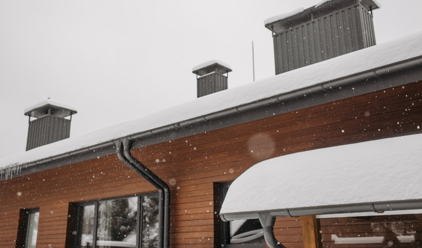
Here are six steps to help prepare your commercial property for winter.
1. Inspect pipes and plumbing
Frozen pipes can lead to significant water damage, especially when problems occur overnight or while a building is unoccupied. Before freezing temperatures arrive:
Pay extra attention to areas that have experienced previous freezing or water losses.
2. Protect fire protection systems
Cold temperatures can also affect sprinkler piping and other fire protection equipment.
Before winter:
Work with a qualified fire protection professional when system maintenance or repairs are needed.
3. Check roofs and drainage systems
Snow, ice and poor drainage can increase the potential for roof damage and water intrusion.
Inspect:
Continue monitoring conditions after significant snow or ice events, and use qualified professionals when roof access or snow removal is necessary.
4. Inspect heating and building systems
Heating-system failures can lead to frozen pipes and other property damage.
Before winter:
Make sure someone is responsible for responding to building alerts during nights, weekends, and holidays.
5. Prepare exterior areas for snow and ice
Snow and ice can create hazards around entrances, sidewalks, parking lots, and loading docks.
Before winter, confirm:
Clearly defining responsibilities before a storm can help teams respond more efficiently when conditions change.
6. Review your emergency response plan
Winter weather can disrupt operations even when a building avoids significant physical damage.
Review who:
Also confirm that emergency contacts, critical vendor information and backup-power procedures are current.
Prepare now for winter risks
Winter property protection involves more than preparing for snow. Reviewing plumbing, heating, roofing, fire protection and emergency response procedures before severe weather arrives can help businesses address vulnerabilities before they contribute to larger losses.
Help your insureds prepare before the first freeze. Explore IAT Insurance Group's Loss Control resources for practical tools and guidance that support stronger risk management programs.


